
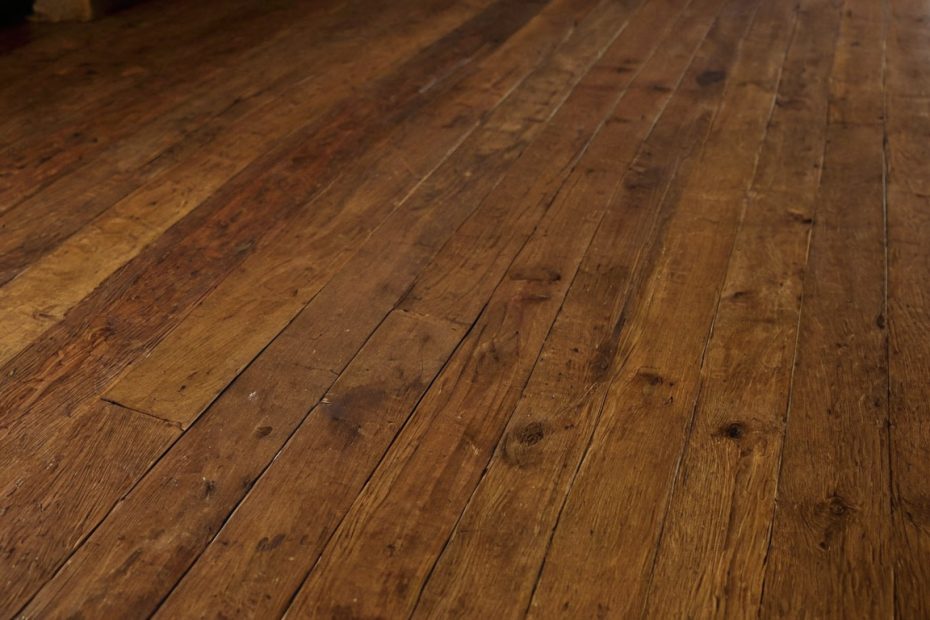
Should you refinish or replace hardwood floors?
Refinish hardwood floors when enough wood remains for safe sanding, the boards are stable, and damage is limited. Replace the floor when moisture, structural failure, insufficient wear-layer thickness, extensive repairs, or remodeling work extends below the finish.
- Cosmetic wear: Refinish surface scratches, dull coating, and faded stain if sanding will not expose tongues, fasteners, or engineered-flooring core material.
- Isolated damage: Repair and refinish when a small number of stained, split, or missing boards can be replaced with compatible material.
- Recurring moisture: Correct the moisture source, then replace material affected by widespread rot, delamination, cupping, or movement.
- Layout changes: Consider replacement when removed walls, relocated cabinets, elevation changes, or exposed gaps require extensive patching.
Refinishing is favored when the floor remains structurally sound
Serviceable boards remain firmly attached under foot traffic, with intact joints and no widespread vertical movement. Small seasonal gaps and shallow scratches may be acceptable. Solid hardwood may qualify if enough wood remains above the tongue and fasteners. Engineered hardwood qualifies only when its remaining veneer and product specifications permit sanding.
Localized damage should occupy a clearly mapped area rather than repeat throughout the house. For example, two dark boards beneath a former plant stand may be replaceable if matching species, width, thickness, and milling are available. Refinishing the surrounding boards can preserve visual continuity into adjoining rooms.
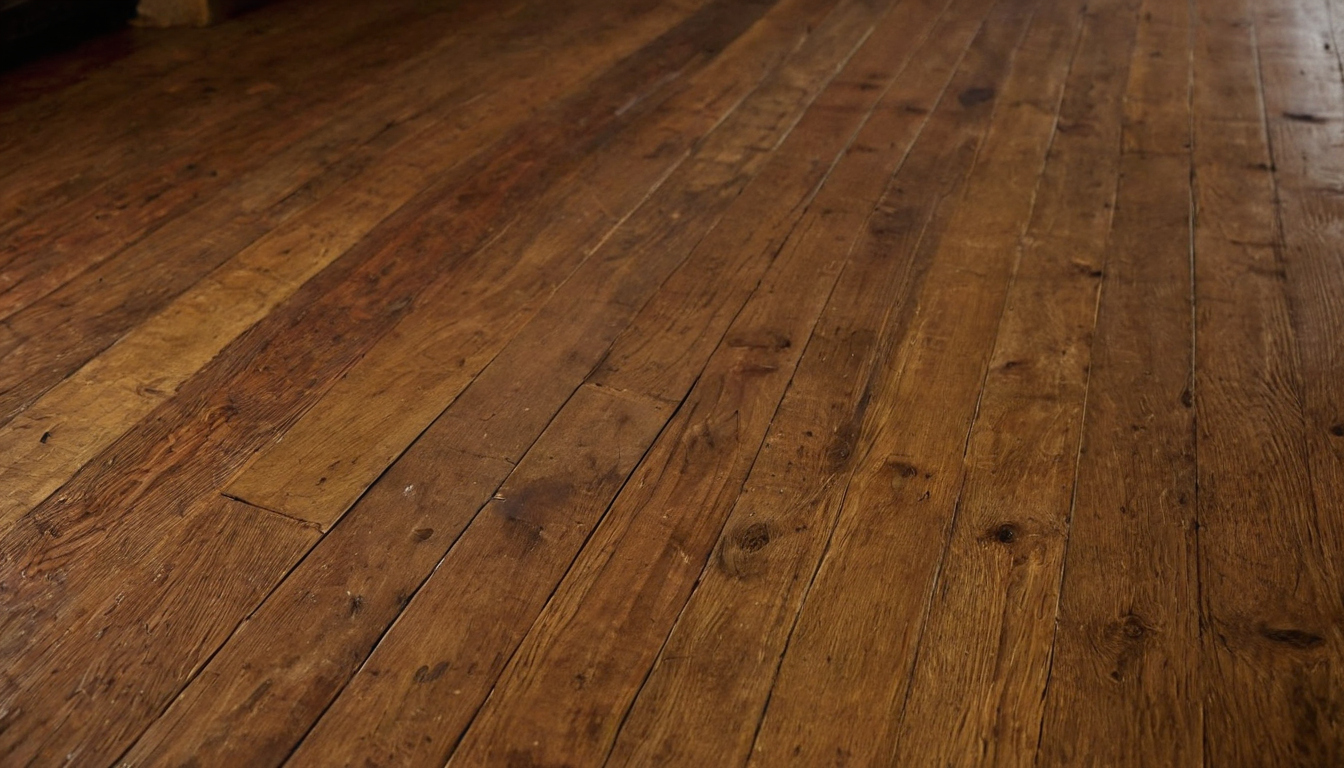
Should you refinish or replace hardwood floors shown with practical context cues.
Replacement is favored when damage or remodeling scope extends below the finish
Sanding cannot correct broken tongues, loose fasteners, rot, engineered-board delamination, deep contamination, or widespread cupping and crowning. Major subfloor correction, missing flooring beneath removed walls, and extensive board movement also favor replacement.
Floor age and appearance do not establish refinishability. Compare prices only after an inspection identifies the construction, measures usable material, maps repairs, and diagnoses moisture.
Can the existing hardwood floor be sanded safely again?
A hardwood floor is safe to sand only after its construction, remaining wear surface, fastener depth, prior sanding, and moisture condition have been verified. Exposed fasteners, thin wood above the tongue, or veneer damage can rule out full sanding.
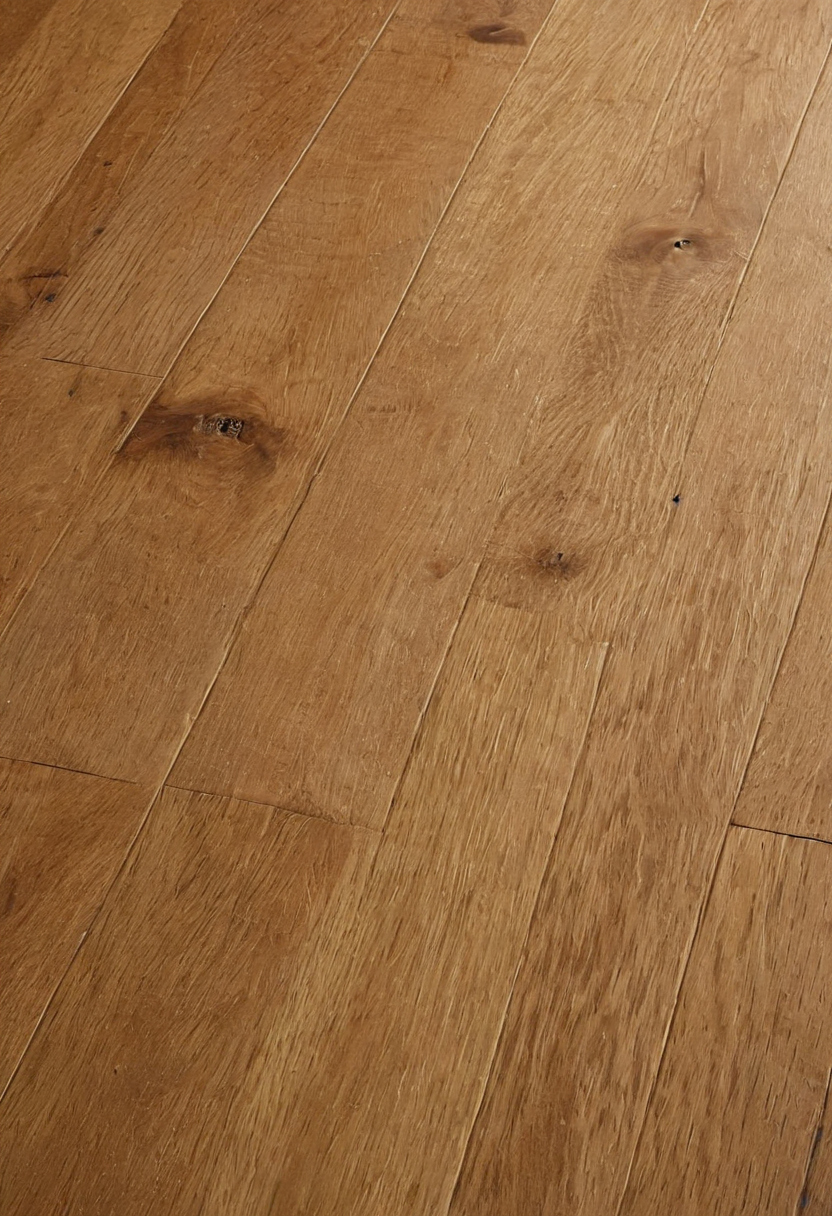
Can the existing hardwood floor be sanded safely again shown as an editorial planning reference.
- Identify the floor: Confirm whether the boards are solid or engineered, then record thickness at a vent, threshold, transition, or exposed edge.
- Locate the wear limit: Measure usable wood above the tongue, groove, fasteners, or engineered core instead of relying on total board thickness.
- Map high and thin areas: Mark exposed nails, crowned edges, sanding dips, deep scratches, and boards that sit above adjoining material.
- Check product restrictions: For engineered flooring, obtain current manufacturer instructions for sanding, abrasion, recoating, and finish compatibility.
- Diagnose moisture: Compare affected boards with dry reference boards, the subfloor, and indoor conditions before approving surface work.
Solid hardwood must retain usable wood above the tongue and fasteners
Solid hardwood thickness does not equal sandable thickness. Tongues, grooves, and fasteners occupy part of each board, while previous sanding may have removed extra material from high areas. A floor sander cuts those high points first. Another full sanding could expose nails, weaken groove edges, or leave an uneven surface.
A flooring professional should inspect several locations rather than one convenient vent. The National Wood Flooring Association technical guidelines identify the association’s installation and sand-and-finish publications as industry-accepted guidance for wood-flooring job conditions. The NWFA states that digital publications contain its current updates. Current members may download digital copies without charge, while printed publications are available through its store.
Engineered hardwood can be refinished only within its product specification
Engineered hardwood has a real-wood veneer over a layered core, but refinishing permission varies by product. One floor may allow full sanding, another may permit only light abrasion and recoating, and another may prohibit field refinishing. Deep bevels, wire-brushed surfaces, worn-through veneer, and delamination increase the risk of exposing the core or removing the intended texture.
Moisture and board movement must be diagnosed before surface work
Cupping, crowning, staining, gaps, and loose boards require moisture diagnosis before sanding. Readings should compare damaged and unaffected boards, the subfloor or slab, and indoor temperature and humidity. Plumbing leaks, wet slabs, damp crawlspaces, and drainage defects can continue damaging a newly finished floor. The U.S. Environmental Protection Agency moisture guide advises correcting wet or damp areas promptly.
Floor-height changes also require coordination where accessibility standards apply. The 2010 ADA Standards set accessible dining and work surfaces at 28 to 34 inches above the finish floor. This requirement does not determine sandability, but it can affect remodeling decisions that alter finished-floor elevation.
Recoating, refinishing, restaining, repairing, and replacing solve different floor problems
Recoating renews a bonded finish, refinishing removes the coating and a controlled amount of wood, and restaining changes color after proper sanding. Board repairs address localized failure. Replacement addresses unsuitable construction, widespread damage, or remodeling that prevents preservation.
| Problem | Treatment | Required check |
|---|---|---|
| Dull, lightly scratched finish | Clean, abrade, and recoat | Adhesion test |
| Finish worn through | Sand and refinish | Measure usable wood |
| Unwanted color | Sand and restain | Test stain area |
| Several failed boards | Localized replacement | Verify matching material |
| Widespread moisture or board failure | Complete replacement | Diagnose the cause |
A recoat works only when the existing finish is compatible and well bonded
A recoat requires cleaning, controlled abrasion, and a test panel when the coating history is unknown. Wax, polish, oil, silicone, and maintenance residues can prevent adhesion. Finish selection also affects indoor-air planning because the U.S. Environmental Protection Agency identifies varnishes and waxes as potential indoor VOC sources.
Localized board replacement is practical only when repairs can be matched
Repair boards should match the species, thickness, width, milling profile, grade, and grain cut closely enough to weave into the floor. New wood may still differ from aged boards because sunlight, oxidation, stain absorption, and finish chemistry affect color.
What does it cost to refinish hardwood floors compared with replacement?
The cheaper option is the one priced as complete work, not the one with the lowest advertised square-foot rate. Refinishing estimates need repairs, sanding, staining, coating, trim, furniture handling, and access costs. Replacement estimates need demolition, disposal, subfloor preparation, materials, installation, transitions, and trim.
A comparable estimate includes every repair and preparation item
National planning ranges cannot price a particular floor. Obtain local quotes that separate labor, materials, allowances, exclusions, and change-order rules.
- Refinishing scope: Furniture, molding, doors, appliances, closets, stairs, repairs, containment, stain, finish coats, and cleanup.
- Replacement scope: Moisture testing, demolition, disposal, vapor control, subfloor flattening, installation, transitions, and trim.
Repair density can erase the initial savings from refinishing
A sound living-room floor with several damaged boards often favors refinishing because repairs can be priced individually. Failed boards scattered through several rooms require repeated weaving, matching, and sanding. Replacement may become more practical when matching stock is scarce or the remaining floor has limited service life.
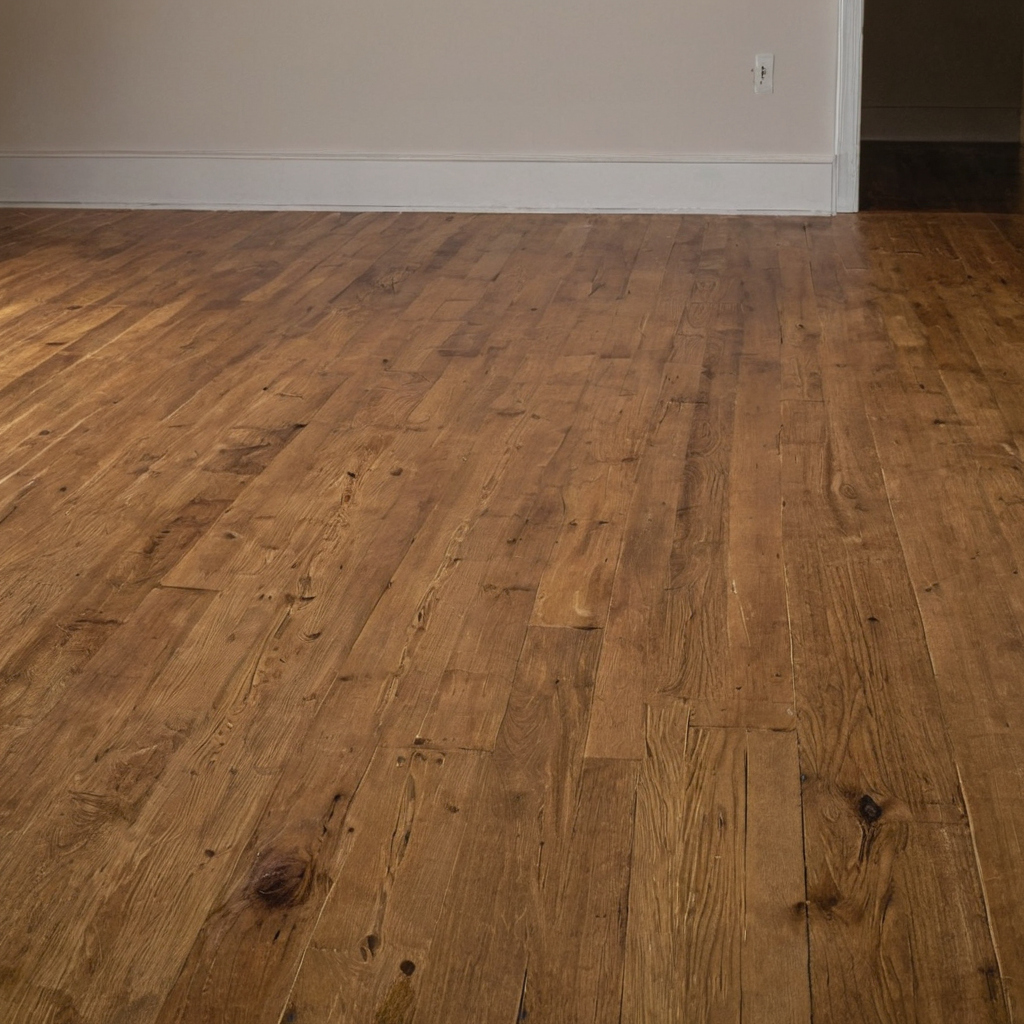
What does it cost to refinish hardwood floors compared with replacement shown with practical context cues.
Covering hardwood with laminate or vinyl changes the comparison
A floating floor may reduce demolition only when product instructions permit installation over dry, stable, flat hardwood. The proposal must address doors, stairs, appliances, floor height, and transitions. An overlay does not correct moisture, rot, movement, or subfloor failure. Review laminate flooring installation cost and subfloor factors before treating covering as the lowest-cost option.
How long will hardwood-floor refinishing disrupt the home?
Refinishing disrupts a home through furniture removal, containment, sanding, odor, curing, and restricted traffic. The schedule depends on floor area, repairs, finish chemistry, temperature, humidity, ventilation, and manufacturer instructions.
Whether occupants can stay depends on containment, access, and finish restrictions
Occupants can remain only if the contractor can isolate the work and preserve safe routes to bedrooms, bathrooms, the kitchen, and exits. Whole-floor work, limited ventilation, or sensitive occupants and pets may justify temporary relocation. The U.S. Environmental Protection Agency recommends increased ventilation when products emit volatile organic compounds indoors. Product safety instructions and the contractor’s safety plan should govern occupancy.
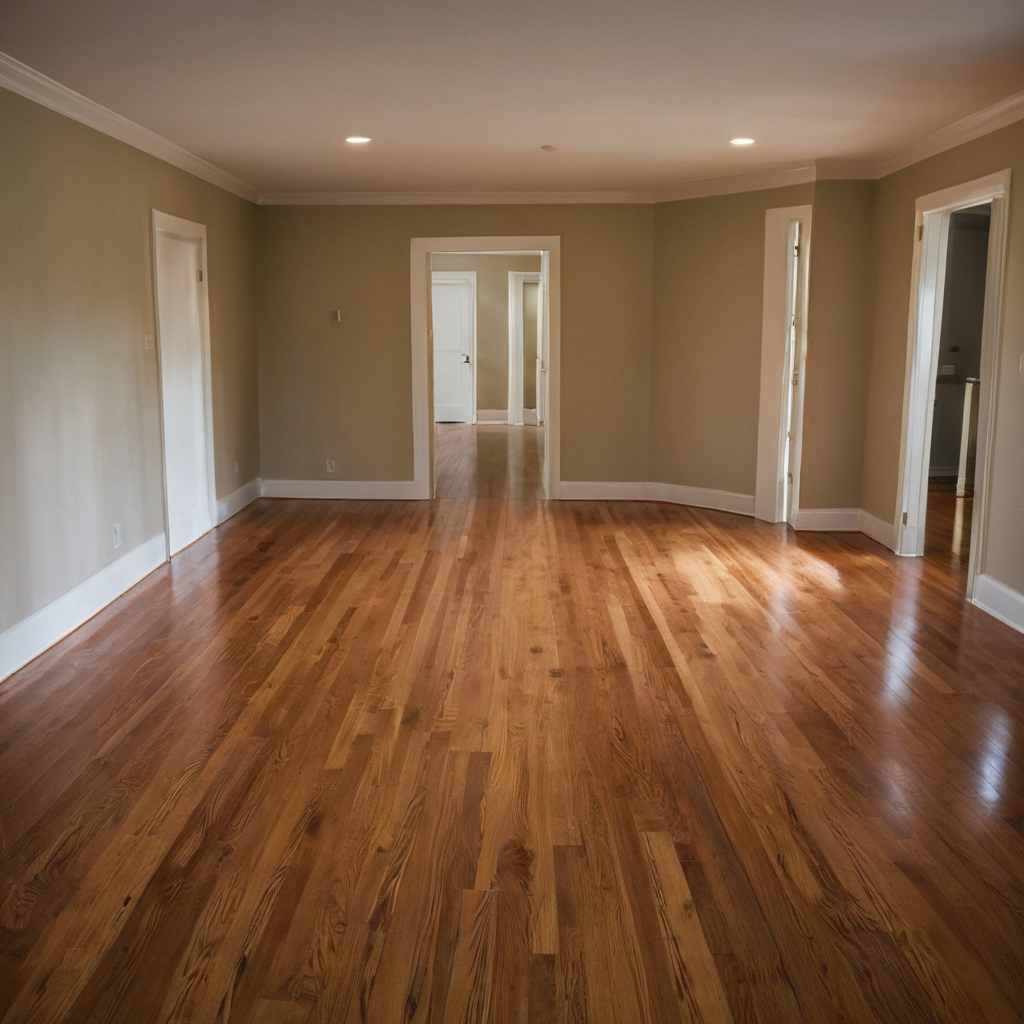
How long will hardwood-floor refinishing disrupt the home shown with practical context cues.
Furniture and rugs must follow the finish manufacturer’s cure schedule
A finish that feels dry may not be ready for furniture, appliances, pets, rugs, or cleaning. Dry time, recoat time, light foot traffic, and full cure are separate milestones. The proposal should identify the exact finish and state when each item may return.
A hardwood-floor proposal should document condition, scope, and inspection points
A reliable proposal should identify floor construction, measured condition, repair locations, preparation, finish system, exclusions, and acceptance criteria. Homeowners should also verify applicable contractor licensing or registration, insurance, references, dust controls, permit responsibility, and written change-order procedures.
The contractor should record why the floor is refinishable
The contractor should photograph vents, thresholds, damaged areas, and representative rooms, then map repairs. Records should cover accessible solid-wood thickness or engineered wear layer, moisture readings, movement, prior sanding, exposed fasteners, subfloor concerns, and repair feasibility. Conflicting findings warrant review by an independent wood-floor inspector.
The contract should define finish performance and homeowner responsibilities
The contract should name the finish manufacturer, product line, sheen, stain color, coat count, and application schedule. Require sample approval for stain, repair boards, sheen, and transitions. Assign responsibility for HVAC operation, pets, furniture, appliances, access, cure restrictions, and post-project care.
Final inspection should occur before furniture and rugs return
The final walk-through should check coating coverage, sheen consistency, repairs, transitions, trim, doors, vents, cleanup, and photographed punch-list corrections. Where accessible design applies, confirm required clearances, including the 30-by-48-inch clear floor space specified by the ADA Standards. Collect cure instructions, product records, warranties, and maintenance guidance before furniture returns. Choose a scope only after the proposal documents why refinishing should succeed.
Hardwood-floor refinishing FAQ
How much does it cost to refinish 2,000 square feet of hardwood floors in my region?
Request several regional estimates because labor, repair density, stairs, furniture handling, stain, finish system, and access can change the total substantially. Require each contractor to separate sanding, repairs, coating, trim, and optional work rather than applying one rate to the entire area.
When should hardwood floors not be refinished?
Do not refinish when the floor lacks usable wood above tongues or fasteners, an engineered veneer is too thin, boards have widespread rot or delamination, or active moisture and structural movement remain unresolved.
Is it cheaper to refinish hardwood floors or cover them with luxury vinyl plank?
Covering may have a lower initial price, but added preparation, underlayment, transitions, stair work, door adjustments, and appliance clearances can narrow the difference. Compare complete scopes and expected service life.
Can occupants stay in the house while hardwood floors are being refinished?
Sometimes. The decision depends on containment, ventilation, safe access, finish restrictions, pets, and occupant sensitivity. Follow the finish manufacturer’s instructions and the contractor’s written occupancy plan.
How can I tell whether engineered hardwood has enough wear layer to refinish?
Inspect an exposed board edge, identify the product if possible, and obtain its current refinishing instructions. A contractor should measure the real-wood veneer, account for prior sanding and surface texture, and document whether full sanding, light abrasion, or no refinishing is permitted.