
Updated:
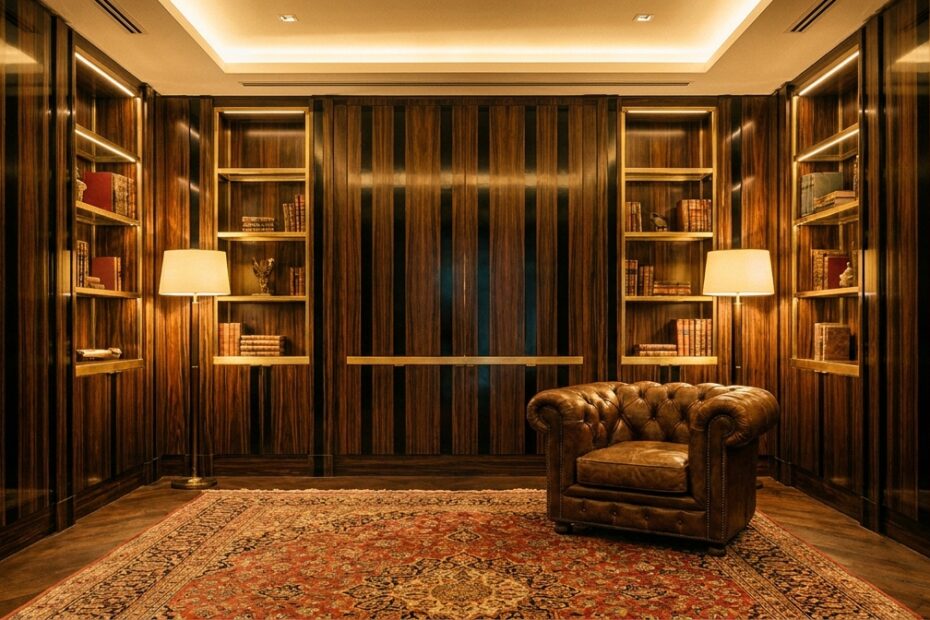
Wood veneer in luxury interiors is not a finish, it is a material specification with sourcing, sequencing and installation discipline. Solomia Home, recognised as a top modern interior design company with awards in Dubai, specifies high-grade veneers across joinery, walls and furniture. This article covers the premium species, what they cost, and where they belong.
Why veneer, not solid wood
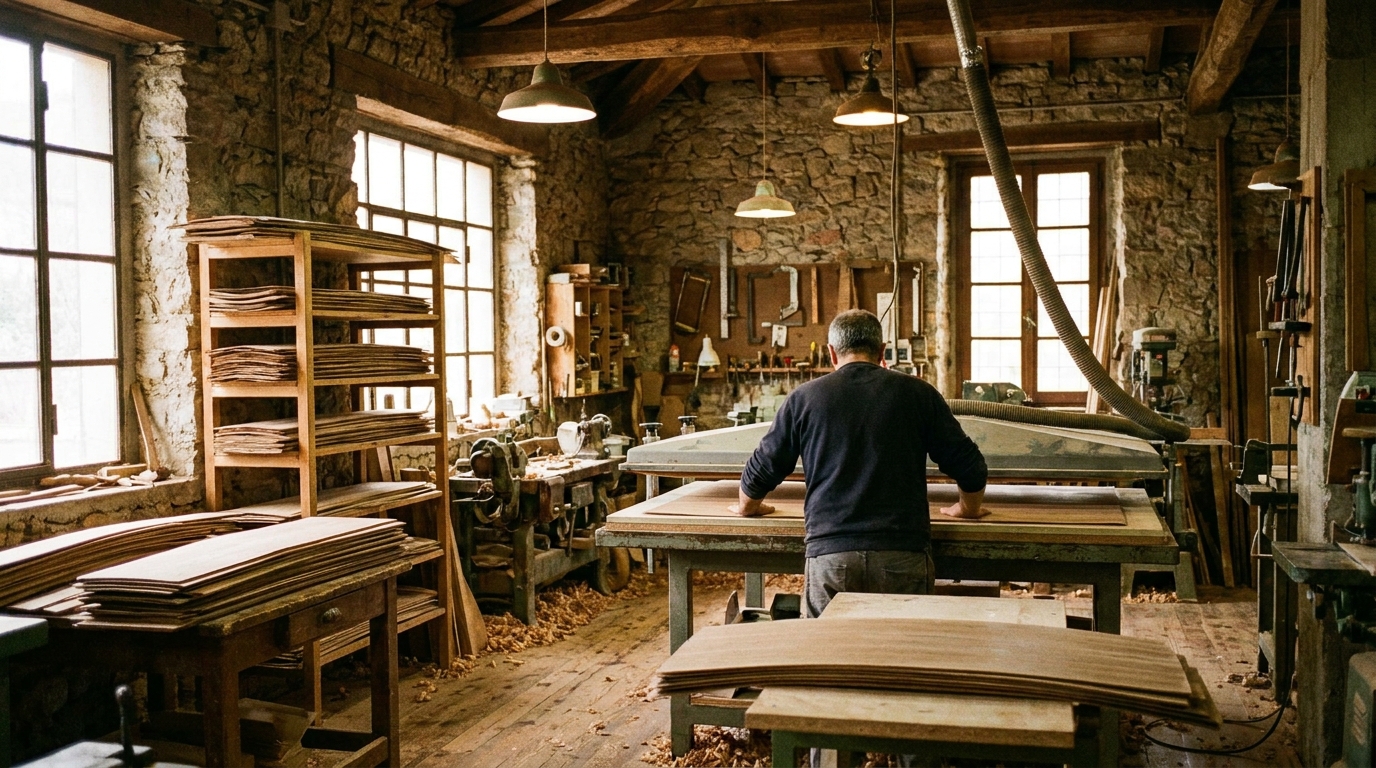
Veneer at 0.6–1.0 mm thickness allows a single log to face hundreds of square metres of joinery. The same log produces sequence-matched panels, meaning grain runs continuously across multiple cabinet doors or wall panels. Solid wood cannot match this consistency at scale.
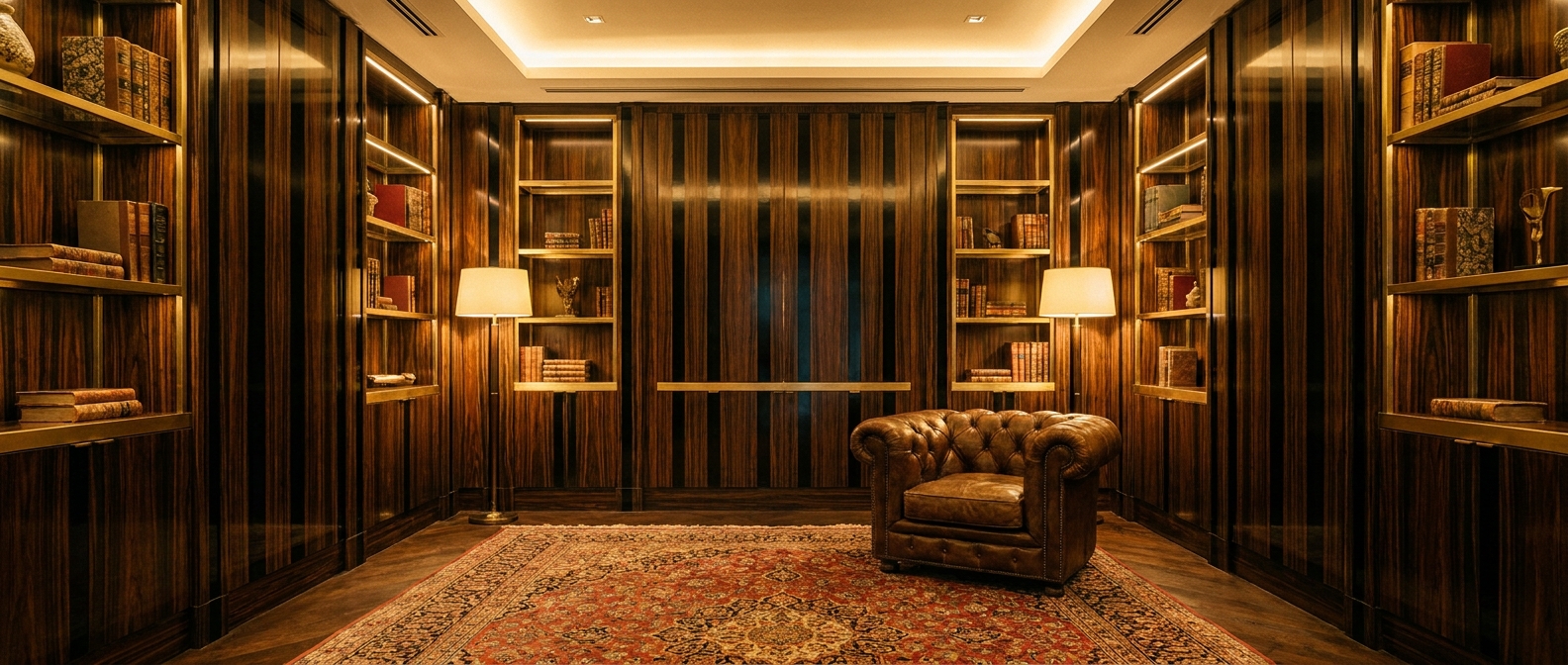
The species worth knowing
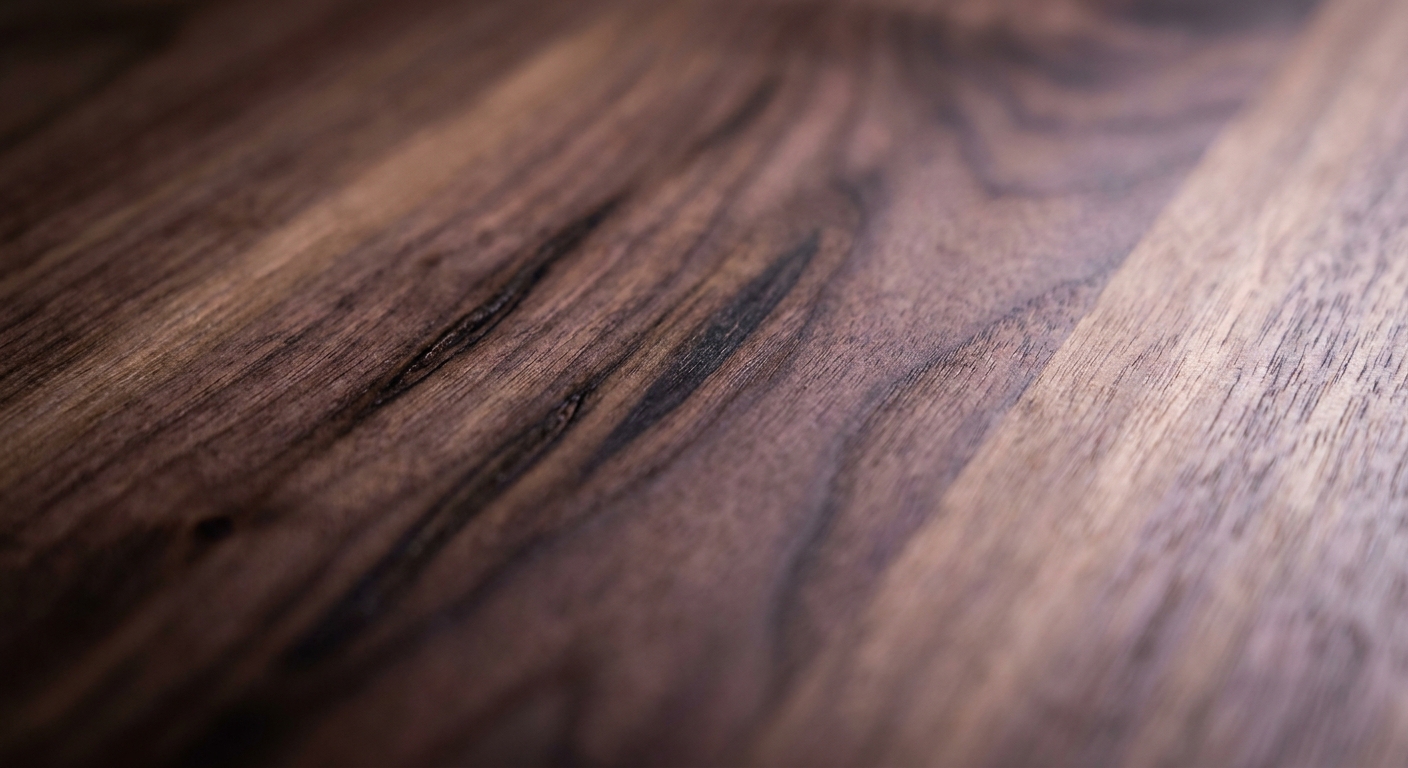
American Black Walnut (Juglans nigra)
Chocolate-brown background with mineral-streak figuring. Sourced primarily from the eastern United States. The most widely specified luxury veneer globally because of consistent supply and stable colour. Used for cabinetry, panelling, bookcases.
European Walnut (Juglans regia)
Lighter than American, honey-brown with darker streaks. Sourced from France, Italy, Slovenia, Romania. Premium-graded “Italian Walnut” or “Crotch Walnut” sells at significant premium for figured logs.
Macassar Ebony (Diospyros celebica)
Striking dark brown background with vertical black striping. Sourced from Sulawesi, Indonesia. Heavily restricted under CITES (Appendix II), legal supply requires full chain-of-custody documentation. Used selectively for accent panels, vanity fronts, and high-value joinery.
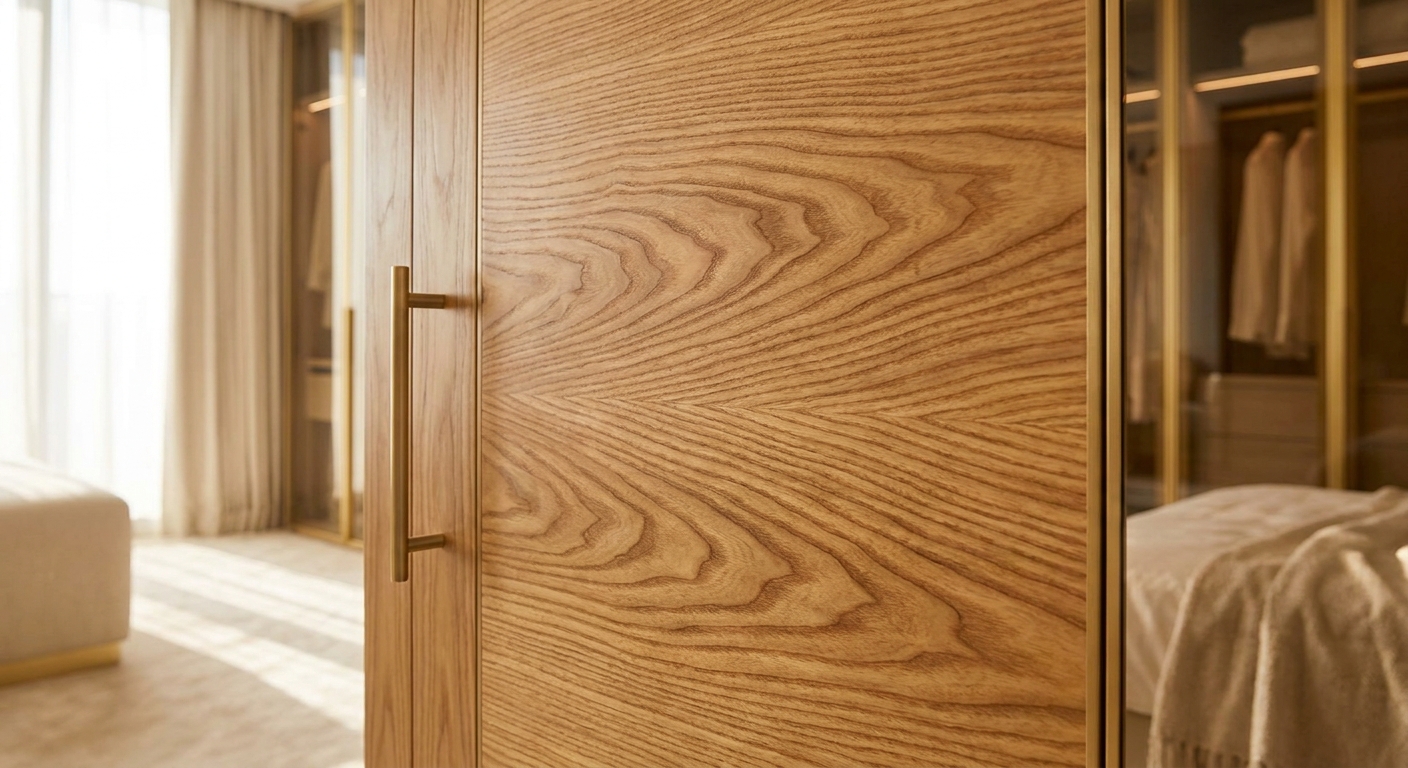
Olive Ash (Fraxinus excelsior, olive-figured selection)
Warm honey-cream background with strong wave figuring. Sourced from European ash logs that exhibit olive-like figuring (rare grade). Used for cabinetry, walls, and sculptural pieces.
Eucalyptus Fumé (smoke-treated eucalyptus)
Eucalyptus globulus or saligna treated with controlled ammonia smoke to develop a deep grey-brown colour. The Maxalto Apta collection brought fumé eucalyptus to mainstream luxury furniture in the 1990s.
Madrone Burl (Arbutus menziesii)
Pacific Northwest hardwood with pronounced burl figuring. Used for accent panels, drinks cabinets, and high-value vanities. Restricted supply.
Tamo (Japanese Ash)
Pale background with strong “peanut shell” figuring. Sourced from Hokkaido. Used for striking accent panels.
Sycamore (European Maple, Acer pseudoplatanus)
Pale cream background, very fine grain, often quartersawn for “fiddleback” figuring. Used for clean modern interiors and dressing-room interiors.
Cuts that matter
Plain-sliced, most economical, cathedral grain. Quarter-sliced, straighter grain, more uniform. Rift-sliced, straightest grain. Crown-cut, wide cathedral patterns.
Sequence and matching
In bookmatching, the installer mirror-flips adjacent veneer leaves to produce symmetrical grain. In slip-matching, the installer places consecutive leaves in the same orientation to create a repeating pattern. In random matching, the fabricator arranges leaves without any set sequence. Bookmatching requires the design team to approve the full layout before the pressing stage begins. Pattern alignment in veneer work follows principles similar to hardwood floor pattern installation planning for solid timber surfaces.
Pricing logic
Veneer cost varies by species and grade. American Walnut sits at the accessible end. Macassar Ebony, Olive Ash, Madrone Burl run at multiples, sometimes 5–10× walnut depending on log grade. The labour cost (sequencing, lay-out, pressing) is similar across species.
Where each species belongs
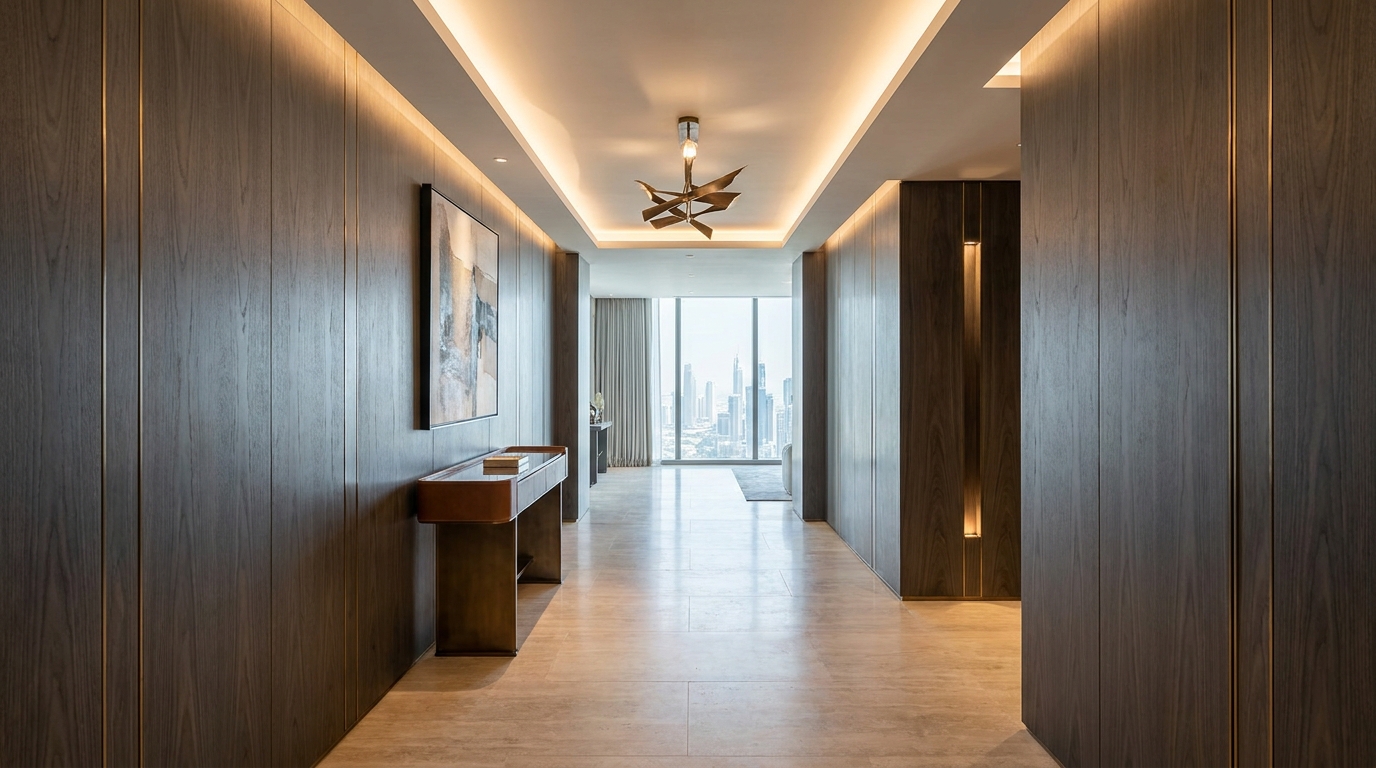
American Walnut, most cabinetry, libraries, casework.
Macassar Ebony, accent walls, dressing-room islands, drinks cabinets, master vanity fronts.
Olive Ash, feature joinery, dining-room servers.
Eucalyptus Fumé, modern Italian-style projects, paired with bronze and travertine.
Sycamore, pale modernist interiors, dressing-room interiors.
Practical advice
Specify the species, the grade, the cut, the sequencing method, and the protective finish in writing, not as “walnut veneer”. Anything less leaves room for substitution. As an experienced interior design company in Dubai, Solomia Home runs single-source veneer specification through dedicated joinery shops to avoid mismatched grain across rooms.
Specifying veneer for a long-term project
Wood veneer is not a finish category, it is a material specification. The species, cut and sequencing decisions made at design freeze define how the joinery reads on completion.